Posts

What is Rectal Cancer? How Can You Identify It And What Is The Treatment For This Cancer?

Image
Rectal cancer is the cancer that begins in the rectum. The cancer starts at the end of the final segment of the colon and ends where it reaches the narrow passage reaching the anus. The cancer begins when the healthy cells in the rectum develop changes in their DNA. These changes allow the cells to grow uncontrollably and to continue living after healthy cells die. This turns into a tumor and can destroy the nearby healthy cells. The first signs of rectal cancer can be recognized with the following symptoms: -           A change in the bowel habits like diarrhea, constipation or frequent bowels -           Blood in stool -           Feeling of bowel not emptying completely -           Abdominal pain -           Unexplained weight loss -   ...

How to Manage Diabetes With Cancer?

Image
Diabetes is a frustrating disease to deal with on its own. Cancer on the other hand can be both exhausting and painful. On the other hand, battling both the diseases together is a challenge of a different kind. It can stress up your life even more. With increasing cases of both cancer and diabetes, it is becoming even more important for patients with both these conditions to find ways to manage the diseases and reduce the risk of infection and the severe side effects that they might have to face. Between 8-18% of people living with cancer also have diabetes. Most of the patients generally know that they are diabetic before being diagnosed with cancer, some of them discover diabetes only after being diagnosed with cancer or while treatment. Properly managing diabetes during cancer is critical since it can affect all other organs. Cancer and its treatment may cause metabolic changes that trigger or aggravate symptoms of diabetes. Increased levels of sugar can weaken the immune syst...

Ways to maintain a healthy blood pressure level?

Image
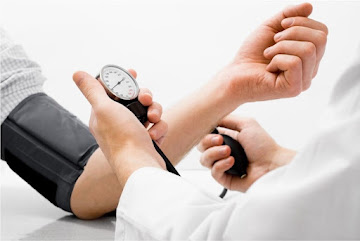
  With increasing cases of heart attacks  & high blood pressure in the youth, it is becoming imperative to ensure we maintain good and healthy heart health. Living a healthy lifestyle is the easiest and the best way to keep your blood pressure in a healthy range. Preventing hypertension (high blood pressure) is the best way to lower the risks of heart disease, heart attacks , stroke, etc. Healthy lifestyle habits to incorporate into your daily life include: 1.       Eat a healthy diet – Due to the lack of time at hand for people and the ease of availability, fast food has become a regular in one’s daily routine. We need to ensure that we consume a rich combination of food that comprises potassium, fiber, and protein, and ones that are lower in salt and saturated fats and remove the regular consumption of fast food, fried food & food rich in cholesterol. 2.       Keep a healthy weight – Obesity is another major c...

Is Anxiety a neurological disorder?

Image
Anxiety is frequently a by-product of neurological illness though in itself it is not a neurological disorder. Anxiety may be a symptom of either a medical side effect or neurological disorder or a combination of both. It can also be psychologically driven by other factors that might not always be neurological in nature. The most common anxiety-related disorders seen in various neuro patients are: -           Panic disorder -           Generalized anxiety -           Social phobia -           Obsessive-Compulsive Disorder (OCD) Most often the symptoms of anxiety go unrecognized and hence untreated. These are also often considered as a normal response to the neurological illness or uncared for. If untreated, anxiety can significantly increase in anguish and despair which can often result in mortal...

What are the common Chronic Neurological Disorders??- Chandan Hospital Lucknow

Image
The nervous system is a complex, highly specialized network. From sight to smell and walking to speaking, our nervous system organizes, explains, and connects us to the world around us. There are 6 common neurological disorders that affect people frequently: 1.       Headaches 2.       Epilepsy & Seizures 3.       Stroke 4.       ALS – Amyotrophic Lateral Sclerosis 5.       Alzheimer’s Disease & Dementia 6.       Parkinson’s Disease   Headaches are one of the most common neurological disorders and can affect anyone at any age. If the headache comes on suddenly and repeatedly, you should consult a doctor as these could be symptoms of underlying conditions . Epilepsy & Seizures are common neurological disorders involving abnormal electrical activity in the brain that makes you more susceptible to having recurrent, un...

What is a Pacemaker? Chandan Hospital Lucknow

Image
A pacemaker is a small device that's placed (implanted) in the chest to help control the heartbeat. It's used to prevent the heart from beating too slowly. What are the signs you might need a Pacemaker needed? The need for a pacemaker arises when the patient experiences the following symptoms: ·          you feel extremely fatigued ·          you frequently get lightheaded or dizzy ·          you fainted, but you don't know why ·          you have palpitations or an intense pounding in your chest ·          you have chest pain ·          you are short of breath or have difficulty breathing The most common reason people may need a pacemaker is when their heart beats too slowly, or it pauses, causing fainting spells or othe...

Know How Does the Robotic Surgical System Work? - Chandan Hospital

Image
  What is Robotic Surgery? Robotic surgery or Robot-Assisted Surgery, allows doctors to perform many types of complex procedures with more precision, flexibility, and control than is possible with conventional methods.  These are minimally invasive procedures performed through tiny incisions that help in quick recovery and better management. How Does the Robotic Surgical System Work? To operate using the Robotic system, your surgeon makes tiny incisions in your body and inserts miniaturized instruments and a high-definition three-dimensional camera. Then, from a nearby console, your surgeon manipulates those instruments to perform the operation. During a Robotic-assisted procedure, your surgeon uses master controls to manipulate the instruments, and the instruments translate your surgeon’s movements into precise movements inside your body. Your surgeon is in control the whole time; the surgical system responds to the direction he provides. What are the Benefits of Robotic-assi...